Ideas & Communication
Better ideas. Brighter conversations.
Communication matters because it forces thought into the open, where it can be examined, challenged and refined.
Ideas first. Communication second.
Independent thought acquires social value when it can be articulated, questioned and refined in conversation with others.
We are not trying to manufacture eloquent speakers. Eloquence without thought merely makes weak ideas more persuasive.
Our interest lies in helping young people develop something reasoned to say, understand why they believe it, respond to challenge and communicate it with confidence.
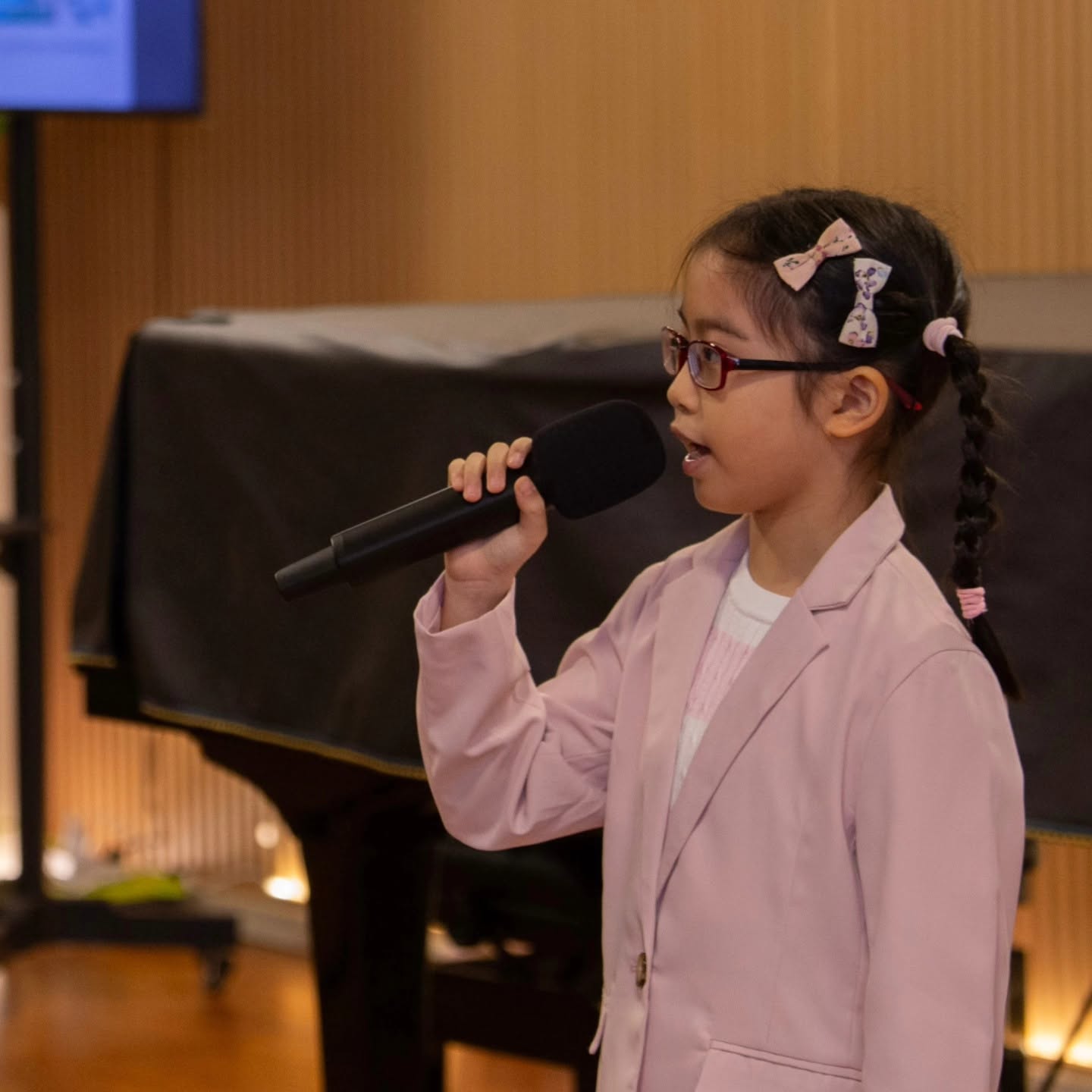
Speaking as a test of thought.
Public speaking forces an idea to become explicit. A speaker must decide what the claim actually is, what evidence supports it, what assumptions sit underneath it and how to respond when someone else sees the issue differently.
That makes speaking more than stagecraft. It becomes an environment for 审问, 慎思 and 明辨: questioning, reflection and discernment under social pressure.
Programme Partner: SpeakEasy Lab.
SpeakEasy Lab is an independent organisation and a programme partner of Iconomy Foundation. Through the partnership, we seek to help young people organise ideas, communicate clearly, respond to questions and develop confidence before an audience.
SpeakEasy Lab was co-founded by Mervyn Ye, an arts and education leader who previously served as the founding General Manager of Voices of Singapore, and Gerald Wong, a Mediacorp radio host and veteran communication practitioner. SpeakEasy Lab contributes specialist expertise in communication training; the Foundation connects that craft to our broader emphasis on inquiry, independent judgment and opportunities for young people to test ideas in public.
Its relevance to the Foundation lies in the connection between thinking and expression. A good speaking programme should not simply teach gestures, projection and polish. It should help a young person discover whether an idea survives explanation and challenge.
Ideas worth examining.
We also work with schools on talks, inquiry-based programmes and opportunities that encourage students to encounter unfamiliar ideas, ask better questions and consider competing perspectives.
These may take the form of talks, facilitated discussions, debate-style exercises, advocacy or practitioner encounters. The format matters less than the intellectual habit being developed.
We want young people to leave not merely with another opinion, but with a better way of examining opinions, including their own.